Baking Sheets & Pans
This category covers the sheets and pans used for everyday baking, from cookies and roasted vegetables to cakes, muffins, and loaves. Come here to match the pan to what you bake and find one that fits your oven, routine, and storage space.
Recently Added
New



How to choose
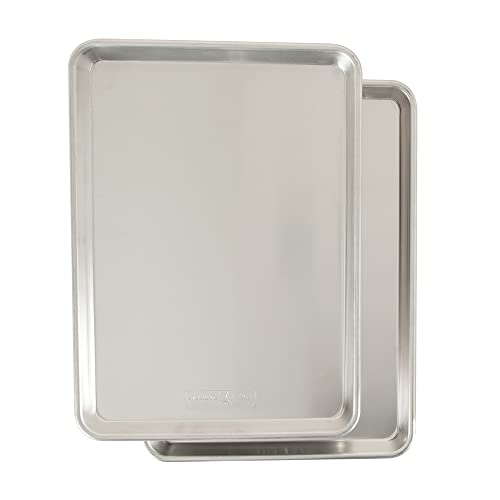
Start with the foods you make most: a rimmed sheet is versatile for cookies and roasting, while shaped pans suit specific bakes such as cakes or muffins. Check the pan’s dimensions against your oven and consider how many you can use at once. Material, color, and surface affect browning and release, while sturdy construction helps a pan stay flat and comfortable to handle. Also weigh cleanup and storage against any specialized features you may rarely use.
Key factors to consider
- •Pan shape and intended use
- •Dimensions and oven fit
- •Material and heat response
- •Surface color and food release
- •Sturdiness and resistance to warping
- •Cleaning and storage needs
Common mistakes to avoid
- ✗Buying a specialty pan before considering how often you will use it
- ✗Choosing a pan without checking that it fits the oven
- ✗Assuming dark and light pans brown baked goods the same way
- ✗Overlooking how the pan’s coating affects utensils and cleanup
Frequently asked questions
What should I look for in an everyday baking sheet?
Choose a size that fits your oven and suits the amount you usually bake. A sturdy rimmed sheet is useful for cookies and other foods that may release juices.
Does pan color affect baking?
Yes. Dark surfaces tend to absorb more heat and can brown the bottoms of baked goods faster than lighter surfaces. Follow the recipe’s guidance and keep an eye on browning when switching pan types.
Do I need nonstick pans?
Nonstick surfaces can make releasing baked goods and cleanup easier, but they need care to avoid damaging the coating. Uncoated pans can be a good fit if you are comfortable greasing or lining them when needed.
Can I use one pan for different recipes?
Often, but shape and depth matter: a sheet pan, cake pan, and loaf pan are designed for different jobs. Check the recipe’s pan size and type before substituting, since changing them can affect baking time and results.
How do I keep baking pans from warping?
Avoid sudden temperature changes, such as putting a hot pan under cold water, and follow the maker’s care instructions. A sturdy pan and careful handling can help it keep its shape over time.
Quick buying guide
Start with the kinds of baking you do most, then choose the pan shapes and sizes those recipes call for. Check oven fit, construction, and how the surface affects browning and release. If you are deciding between two options, favor the one that will be useful across more of your usual recipes and is easy to care for.