Baking Tools
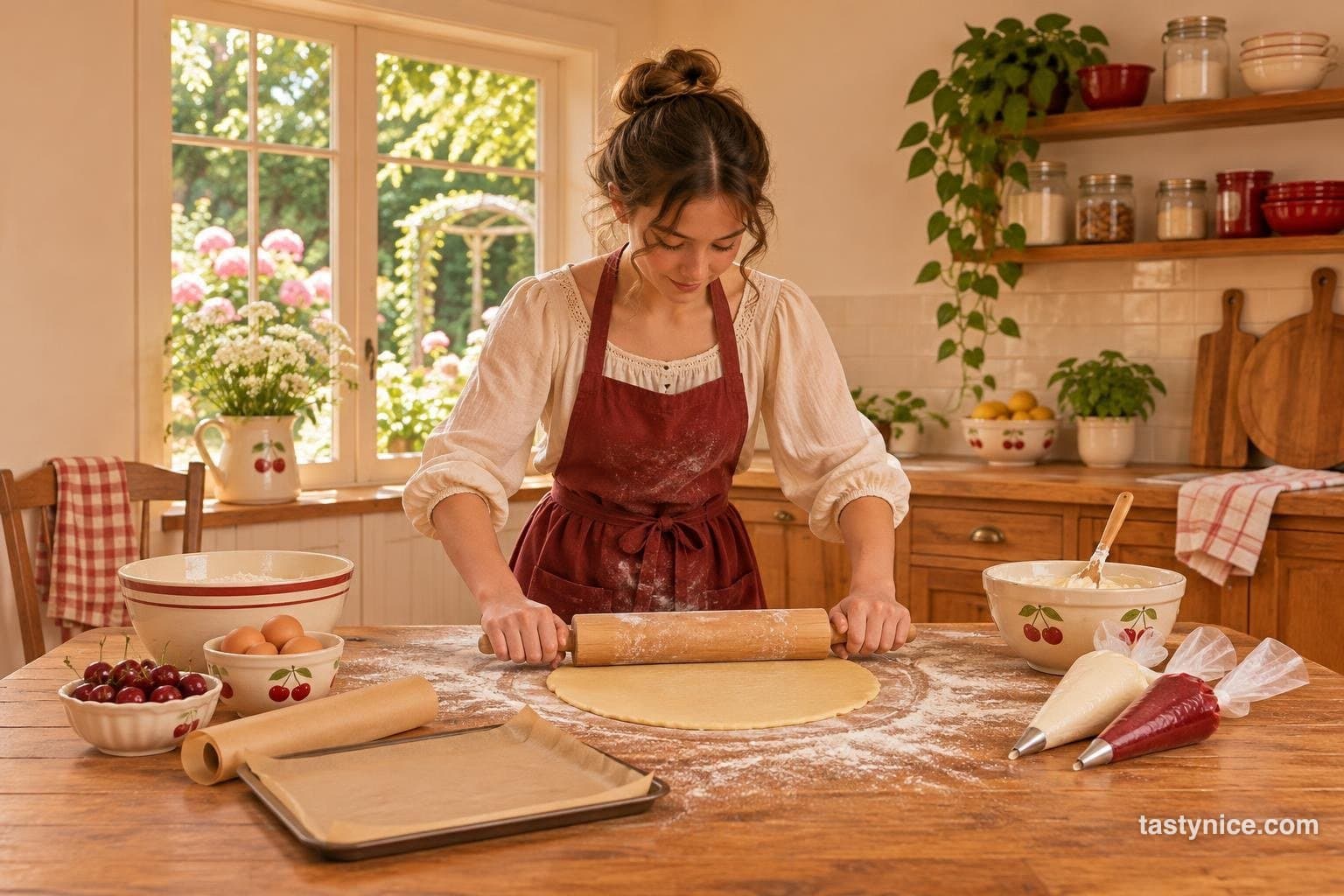
This category covers the tools that help you measure, mix, shape, bake, and decorate at home, from pans and rolling pins to mixers and piping tools. It’s for anyone building a first baking setup or replacing a tool that no longer suits the way they bake.
Rolling Pins & Pastry Mats


12 products
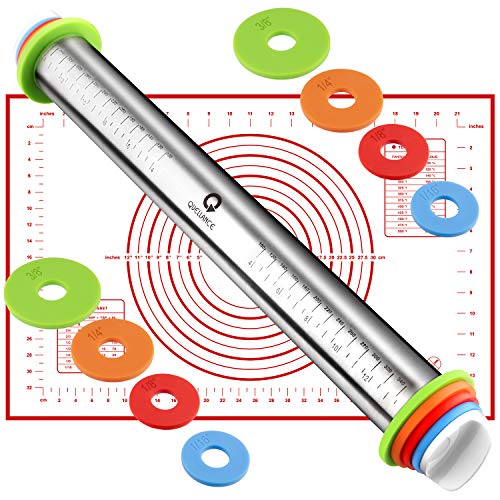
Choose a rolling pin and pastry mat for even dough, comfortable handling, easy cleanup, and a work surface that stays put.
Parchment Paper & Baking Mats


8 products
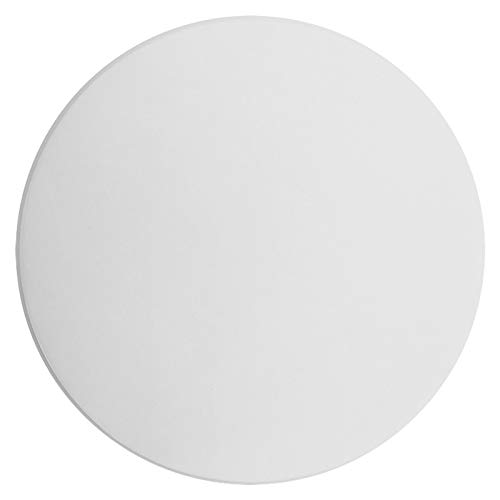
Compare parchment paper and reusable baking mats by pan fit, baking task, cleanup, and care requirements.
Piping Bags & Cake Decorating
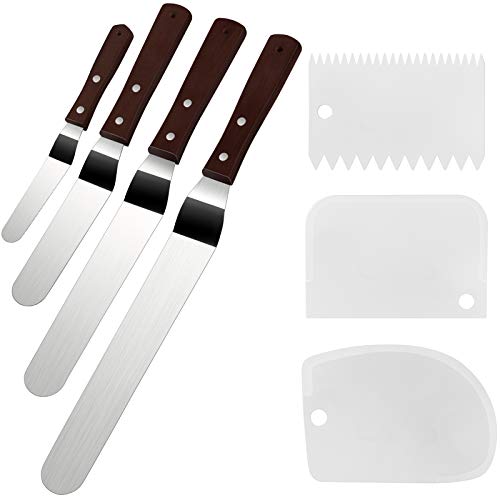


10 products
Compare piping bags, tips and cake tools by cleanup, control and the finishes you want to make.
Mixing Bowls


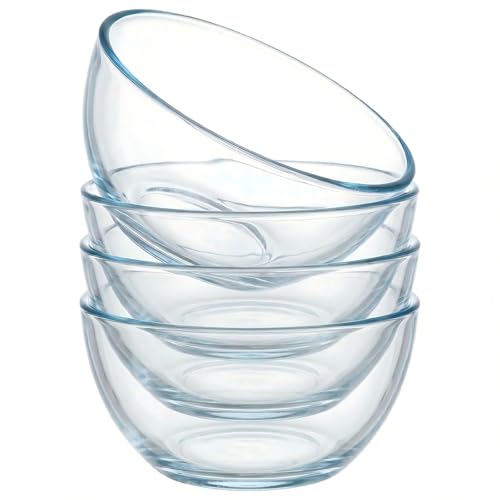
11 products
Compare mixing bowl materials, sizes, and shapes to find options that suit baking, everyday prep, and the space in your cupboards.
How to choose
Start with what you bake most: cakes, cookies, bread, or decorated desserts call for different essentials. Then compare the details that affect results and ease of use, such as pan material and shape, mixer capacity and attachments, or whether a surface is easy to clean. Choose tools that fit your recipes, oven, storage space, and willingness to wash up; a versatile basic tool is often more useful than a specialized one you rarely reach for.
Key factors to consider
- •Tool type and fit for your usual recipes
- •Pan material, shape, and heat distribution
- •Mixer capacity, controls, and useful attachments
- •Measurement readability and accuracy
- •Ease of cleaning and care requirements
- •Storage space and compatibility with your oven
Common mistakes to avoid
- ✗Buying a pan size that does not match your recipes or oven
- ✗Choosing a mixer for power alone without considering capacity or attachments
- ✗Assuming measuring cups and a kitchen scale are interchangeable for every recipe
- ✗Overlooking cleaning and care requirements
- ✗Buying specialty decorating tools before learning which ones you will use
Frequently asked questions
What baking tools should I buy first?
Start with tools that support the recipes you make most, such as a suitable pan, mixing bowl, measuring tools, and a reliable way to mix ingredients. Add specialized items like piping tips or extra pan shapes as your baking interests grow.
Do I need a stand mixer to bake at home?
No. A hand mixer or sturdy mixing tools can handle many everyday recipes. A stand mixer is worth considering if you often make large batches, knead dough, or want to use attachments.
Should I use a kitchen scale or measuring cups?
A scale measures ingredients by weight, which can make results more consistent, especially for flour. Measuring cups are convenient, but use the method specified in your recipe and measure carefully.
Are silicone baking mats better than parchment paper?
Neither is best for every job. Mats are reusable and useful for lining baking sheets, while parchment is easy to trim and discard; check whether your recipe or pan calls for a particular surface.
How can I tell whether a baking pan is the right one for a recipe?
Match the pan’s shape and size to the recipe whenever possible, since they affect how batter spreads and bakes. If substituting, avoid filling a pan too high and watch for changes in baking time.
Quick buying guide
Choose baking tools around what you make most, then prioritize the right size, material, and ease of care. A few dependable basics—a well-matched pan, mixing bowl, and measuring tools—can cover many recipes. Add a mixer or decorating tools when your baking habits make them useful.