Cake & Springform Pans
This category covers pans for baking layer cakes, cheesecakes, and other recipes that need a shaped or removable-sided pan. If you’re choosing a pan for a recipe you make often—or filling a gap in your bakeware—focus on the fit, release, and cleanup that suit your baking habits.
Recently Added
New




How to choose
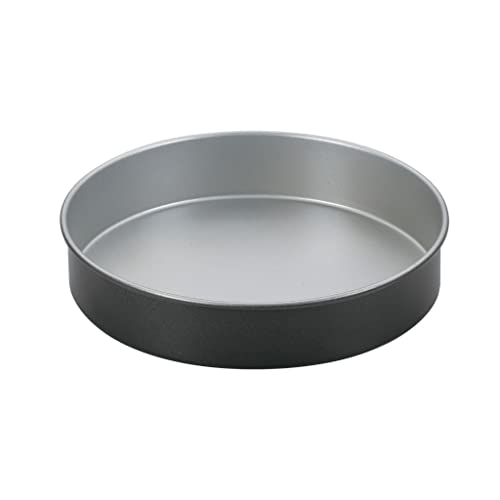
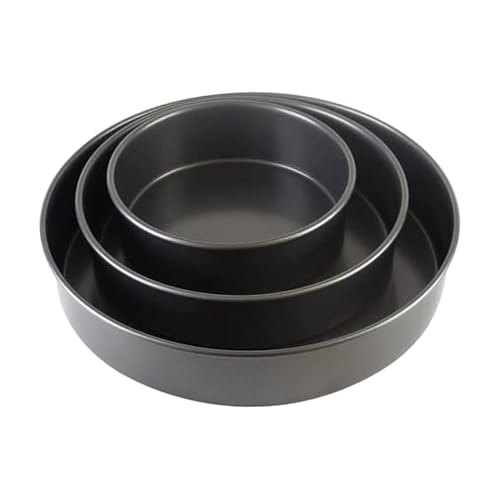
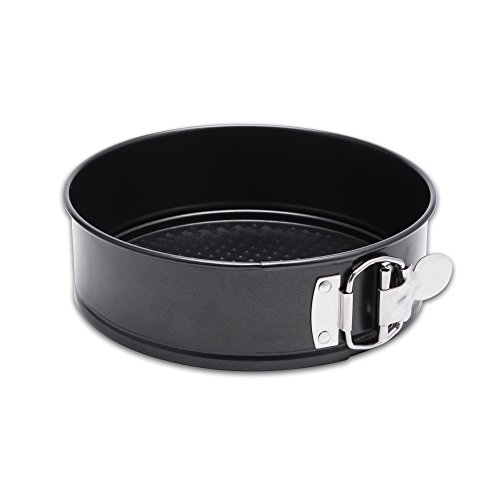
Start with the recipes you bake and check their pan size and shape; changing either can affect how quickly a cake bakes and how tall it turns out. For delicate cakes or cheesecakes, a springform pan’s removable sides make serving easier, while a standard cake pan is a straightforward choice for cakes that can be turned out. Then weigh material and construction against how evenly the pan bakes, how sturdy it feels, and how much care it needs. Nonstick surfaces can simplify release, but lining or greasing may still be useful depending on the recipe.
Key factors to consider
- •Pan diameter, depth, and shape
- •Standard or removable springform sides
- •Material and expected baking results
- •Sturdy construction and secure latch
- •Ease of release and cleanup
- •Care instructions and storage space
Common mistakes to avoid
- ✗Choosing a pan size that doesn’t match the recipe
- ✗Assuming a springform pan is completely leakproof
- ✗Overlooking how pan material can affect baking
- ✗Using metal utensils that can damage a nonstick coating
- ✗Ignoring care instructions or storage needs
Frequently asked questions
When should I choose a springform pan?
Choose one when the sides of a cake or cheesecake are delicate, tall, or difficult to turn out. The sides release from the base, so you can serve the bake without flipping it.
Can I use a different pan size from the one in my recipe?
You can, but the batter will sit at a different depth, which can change baking time and texture. For the closest result, use the recipe’s size and shape; if you substitute, check for doneness early and avoid filling the pan too close to the top.
Do springform pans leak?
Some batter or liquid can escape around the seam, especially if it is thin. For a water bath or a runny mixture, check the pan’s fit and use a leak-prevention method appropriate to the recipe.
Does pan material make a difference?
Yes. Materials differ in how quickly they heat and how they distribute heat, which can affect browning and baking time. Follow the recipe’s guidance where available, and watch for visual signs of doneness when using a different pan.
How do I keep cake from sticking?
Prepare the pan as the recipe directs, using grease, flour, or parchment when appropriate. Let the cake cool as instructed before releasing or turning it out; removing it too soon can make it break.
Quick buying guide
Match the pan’s shape and size to the recipes you bake most. Use a springform pan when you need to release delicate sides without flipping the cake; choose a standard cake pan for bakes that turn out easily. Consider material, release, cleanup, and care before choosing.