
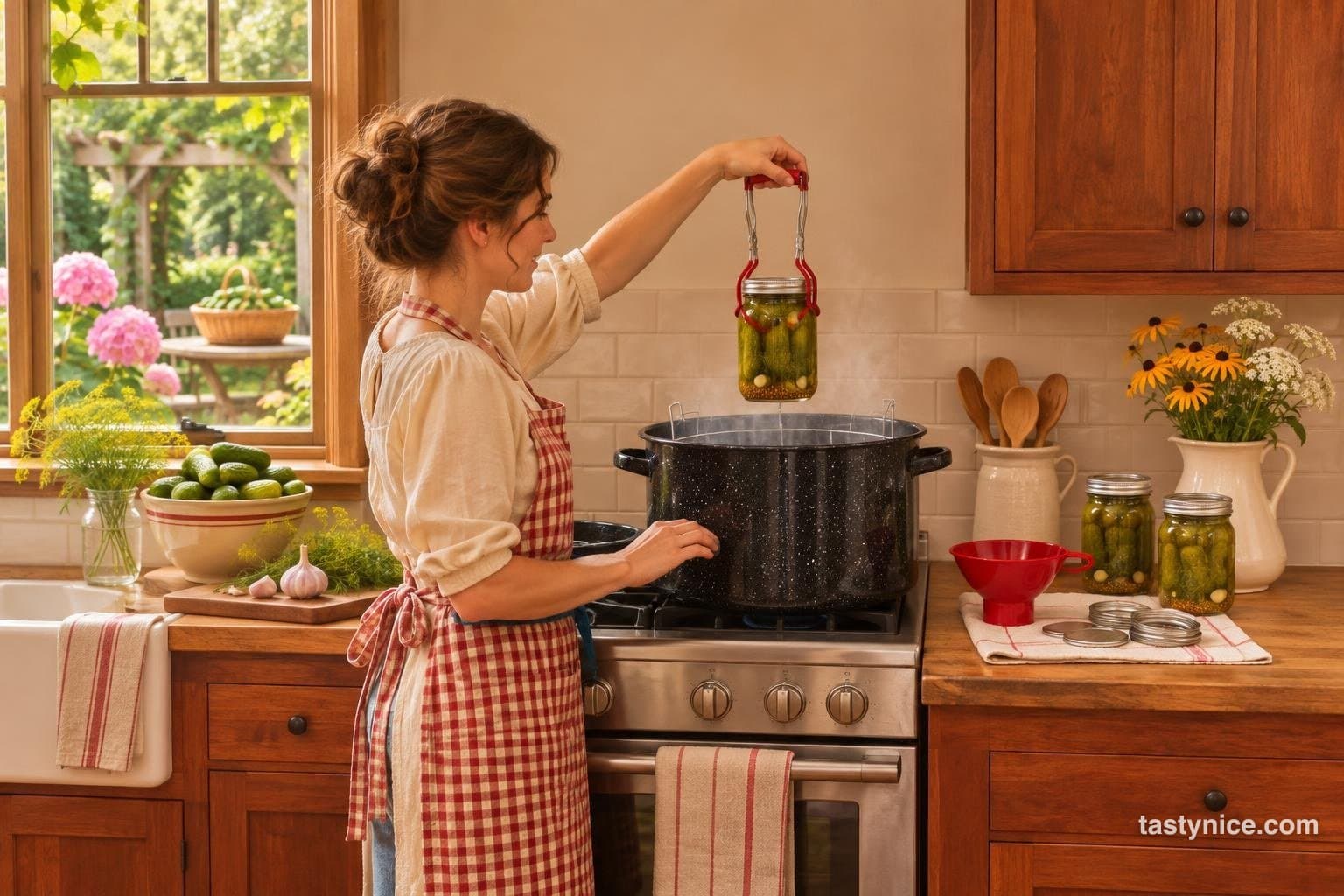
Canning Tools & Pots
This category covers the pots, jars, and small tools used to preserve food at home. It’s for anyone choosing a canning setup, whether you’re putting up a few jars or processing larger batches.
Recently Added
New


How to choose
Start with the foods and tested recipes you plan to make: high-acid foods are generally processed in a boiling-water canner, while low-acid foods require a pressure canner. Then match the pot’s capacity and heat-source compatibility to your batch size and kitchen. For tools, prioritize safe, steady jar handling and pieces that fit the jars you use; you can often begin with a small set rather than buying every accessory.
Key factors to consider
- •Water-bath or pressure-canning method required by your recipes
- •Pot capacity and room for jars, rack, and water
- •Compatibility with your stove or other heat source
- •Jar size and fit with lifters, funnels, and racks
- •Ease of handling hot, full jars
- •Clear manufacturer instructions and replaceable parts
Common mistakes to avoid
- ✗Using a boiling-water canner for foods that require pressure canning
- ✗Assuming an electric pressure cooker or multicooker is safe for canning without explicit approval
- ✗Choosing a pot that cannot hold the jars with the required clearance or water coverage
- ✗Improvising processing times, pressure, or jar headspace instead of following a tested recipe
- ✗Buying tools that do not fit the jars or canner being used
Frequently asked questions
Do I need a pressure canner or a water-bath canner?
It depends on the food and the tested recipe. Water-bath canning is used for suitable high-acid foods; low-acid foods need pressure canning to reach safe processing temperatures.
Can I use a stockpot instead of a canning pot?
A stockpot may work for water-bath canning if it is deep enough for the jars, allows the required water coverage, and has a rack to keep jars off the bottom. Check the recipe and pot guidance before using it; a pressure-canning recipe requires an appropriate pressure canner.
Can I use my multicooker or electric pressure cooker for canning?
Do not assume it is suitable just because it cooks under pressure. Use it for canning only if its manufacturer explicitly approves the method for the foods and process you plan to use.
Which canning tools are useful for a beginner?
A jar lifter, canning funnel, and rack make filling and moving hot jars easier. A headspace tool can also help you follow a recipe consistently, but choose tools that fit your jars and setup.
How do I choose a canner size?
Think about how many jars you expect to process at once and how much storage space you have. The canner must hold the jars with the spacing and clearance required by its instructions and the recipe, while fitting your heat source.
Can I adjust a canning recipe to fit my jars or ingredients?
Don’t change ingredient proportions, jar size, headspace, or processing instructions casually; these can affect safety. Use a tested recipe that matches your food and equipment, and follow its directions.
Quick buying guide
Choose your canner based on the foods and tested recipes you plan to use: water-bath processing suits some high-acid foods, while low-acid foods require pressure canning. Match the pot to your batch size, stove, and jars, then add only the tools that make filling and lifting safer. Follow tested processing directions rather than improvising, and don’t use a multicooker for canning unless its manufacturer explicitly approves it.