
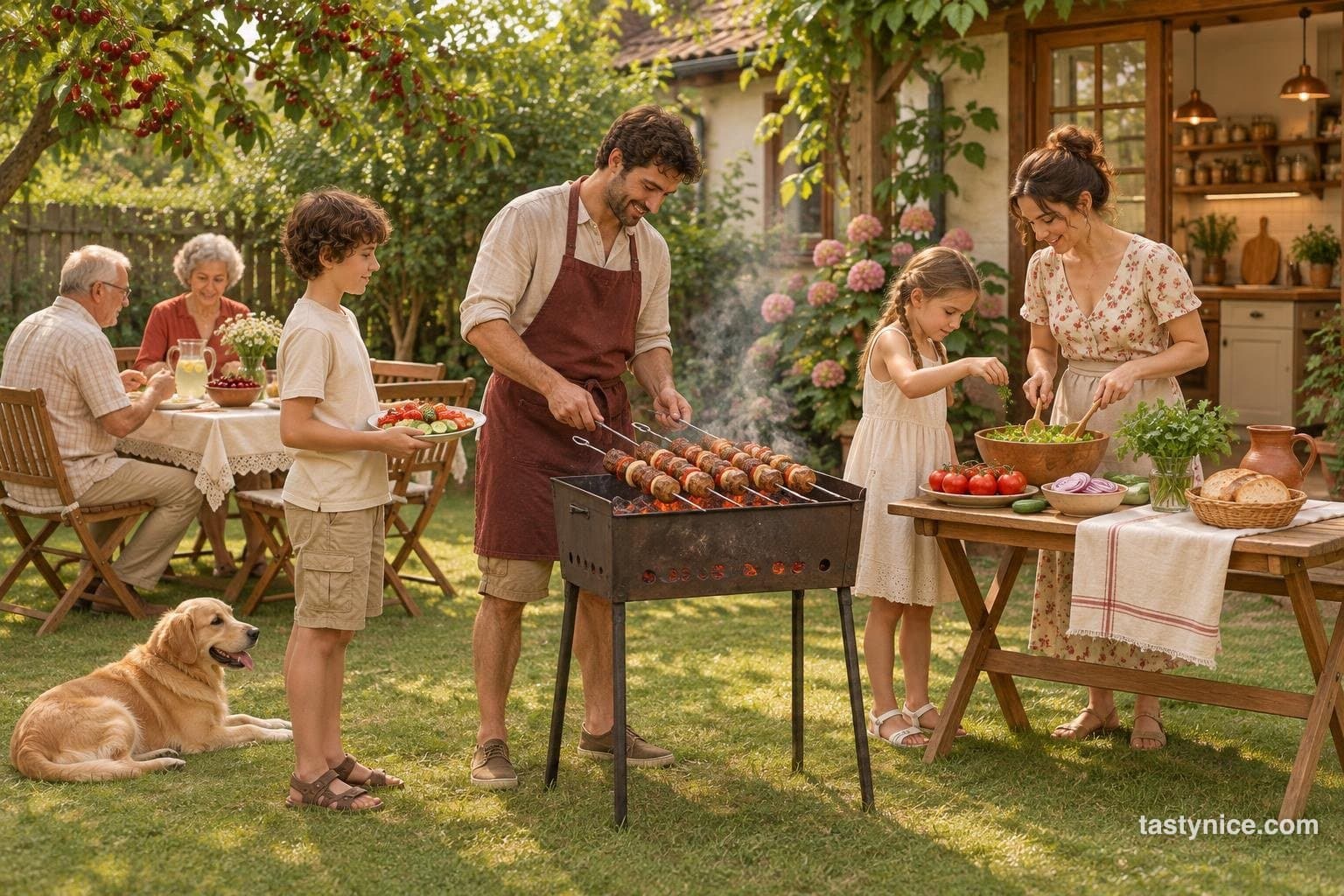
Charcoal Grills
This category covers charcoal grills for cooking outdoors, from straightforward setups for everyday grilling to designs suited to slower, covered cooking. It’s for anyone choosing a grill and weighing how much space, temperature control, and tending they’re comfortable with.
Recently Added
New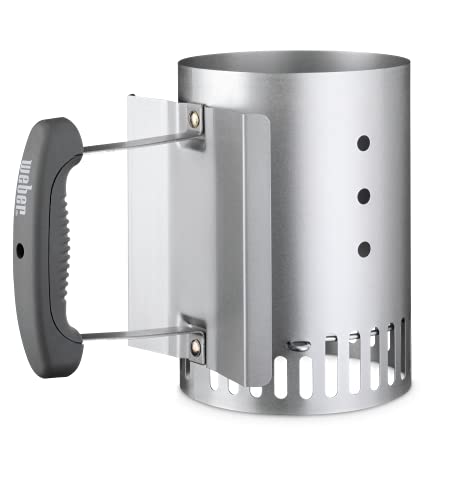


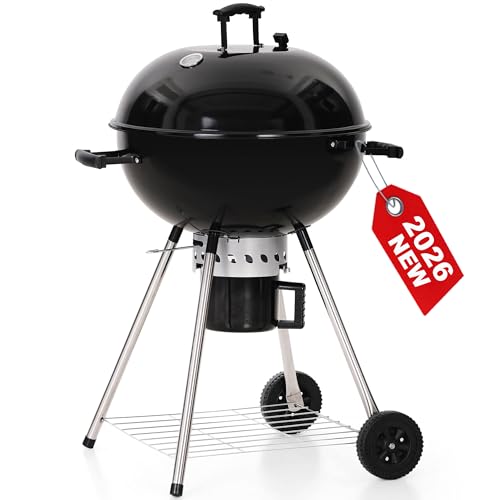




How to choose
Start with how you’ll cook: quick direct grilling, slower indirect cooking, or a mix of both. Then match the grill’s cooking area and shape to the number of people you usually feed and the space you have to store and use it. Finally, consider how easily you can control airflow and manage charcoal, since those make a big difference to heat control and how much attention cooking takes.
Key factors to consider
- •Cooking area for your usual number of servings
- •Grill shape and fit with your cooking style
- •Air vents and ease of temperature control
- •Access for adding or arranging charcoal
- •Stability, portability, and storage space
- •Ease of cleaning ash and grease
Common mistakes to avoid
- ✗Choosing a grill that is too small for the meals you usually cook
- ✗Overlooking the space needed for safe setup and storage
- ✗Assuming airflow controls are easy to adjust without practice
- ✗Forgetting to check how ash is collected and removed
- ✗Buying for occasional large gatherings when most meals are small
Frequently asked questions
What should I look for in a charcoal grill?
Focus on cooking space, stable construction, and controls that let you adjust airflow. Also check whether you can arrange or add charcoal easily and clean out ash without a struggle.
Is a kettle-style or a kamado-style grill better?
A kettle-style grill is a straightforward choice for direct grilling and occasional covered cooking. A kamado-style grill’s insulated body is designed to hold heat for longer cooking; choose based on the foods you make and how much you want to manage the grill.
How do I control the temperature on a charcoal grill?
Adjust the air vents to change how much oxygen reaches the coals: more airflow generally raises the heat, while less airflow lowers it. Arrange the coals for direct or indirect cooking, and make changes gradually because the grill takes time to respond.
How much cooking space do I need?
Think about how many portions you usually cook at once, including whether you want room for food to finish away from the hottest coals. If you mostly cook for a small household, a very large grill may take up space and use more charcoal than you need.
How do I clean and maintain a charcoal grill?
After the grill has cooled, remove the ash and scrape or brush residue from the cooking grate. Check the manufacturer’s care instructions for the body and vents, and keep the grill dry when it is not in use to help prevent rust.
Can I use a charcoal grill on a balcony or under a covered patio?
Only if local rules and the grill’s instructions allow it, and there is ample clearance from walls, roofs, and anything that can burn. Charcoal produces both fire and carbon monoxide, so never use it indoors or in an enclosed space.
Quick buying guide
Choose a charcoal grill based on the way you cook, the space you have, and how much food you make at once. Look for a stable design with useful airflow controls and an ash-cleaning setup you’re willing to maintain. For versatile cooking, make sure there’s room to arrange coals for both direct and indirect heat.