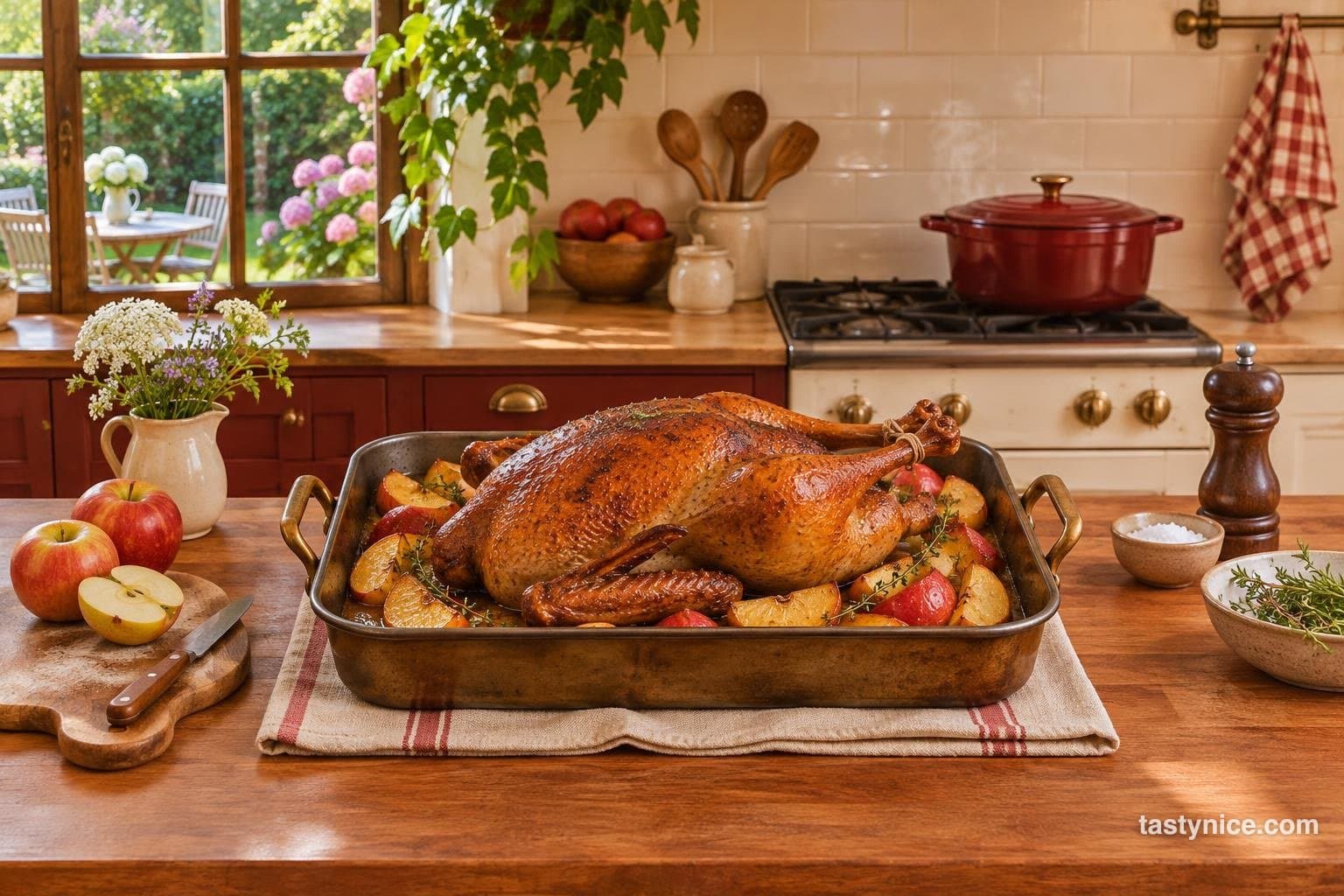
Dutch Ovens & Roasting Pans
This category covers Dutch ovens for slow, covered cooking and roasting pans for cooking larger cuts of meat or vegetables in the oven. If you’re choosing between them, think about the dishes you make most and whether you need a pot that also works on the stovetop.
Recently Added
New



How to choose
Start with the job: a Dutch oven suits soups, stews, braises, and bread, while a roasting pan is built around oven roasting and collecting drippings. Then consider capacity and shape—your cookware should fit the portions you make and the storage space you have. For a Dutch oven, check the lid and whether the pot works with your usual heat sources; for a roasting pan, look at its stability and how easily it can be handled when full.
Key factors to consider
- •Stovetop and oven compatibility
- •Capacity for your usual portions
- •Shape and storage fit
- •Lid fit and heat retention
- •Ease of lifting when full
- •Cleanup and care requirements
Common mistakes to avoid
- ✗Buying a vessel too large or heavy for everyday use
- ✗Choosing a roasting pan that does not fit your oven
- ✗Assuming every Dutch oven works on every stovetop
- ✗Overlooking how handles and lids affect lifting and storage
Frequently asked questions
Can a Dutch oven replace a roasting pan?
For smaller roasts or covered braises, often yes. A roasting pan is usually more convenient for large cuts and uncovered roasting, especially when you want room for vegetables around the meat.
What should I cook in a Dutch oven?
It’s a versatile choice for dishes that benefit from steady heat and a lid, such as soups, stews, braises, and some breads. Check that the pot is suitable for the heat source and cooking method you plan to use.
Do I need a lid for a roasting pan?
Not necessarily; many roasts cook uncovered so their surfaces can brown. A lid can be useful for covered cooking, but foil may work when you only need to cover a dish occasionally.
How do I choose the right size?
Base the size on the portions you usually cook, while leaving enough room for food to sit without crowding. Also check that the pan or pot fits your oven, stovetop, and storage space.
Which is easier to clean?
That depends on the cooking surface and care instructions, as well as what you cook. Soaking can help with stuck-on food, but follow the maker’s guidance to avoid damaging a finish.
Quick buying guide
Choose a Dutch oven for covered, slow cooking and a roasting pan for larger oven roasts. Match the capacity to your usual meals, then check oven fit, heat-source compatibility, and how manageable the cookware will be when full. If you want one versatile pot for stovetop-to-oven cooking, start with the Dutch oven.