Food Processors & Blenders
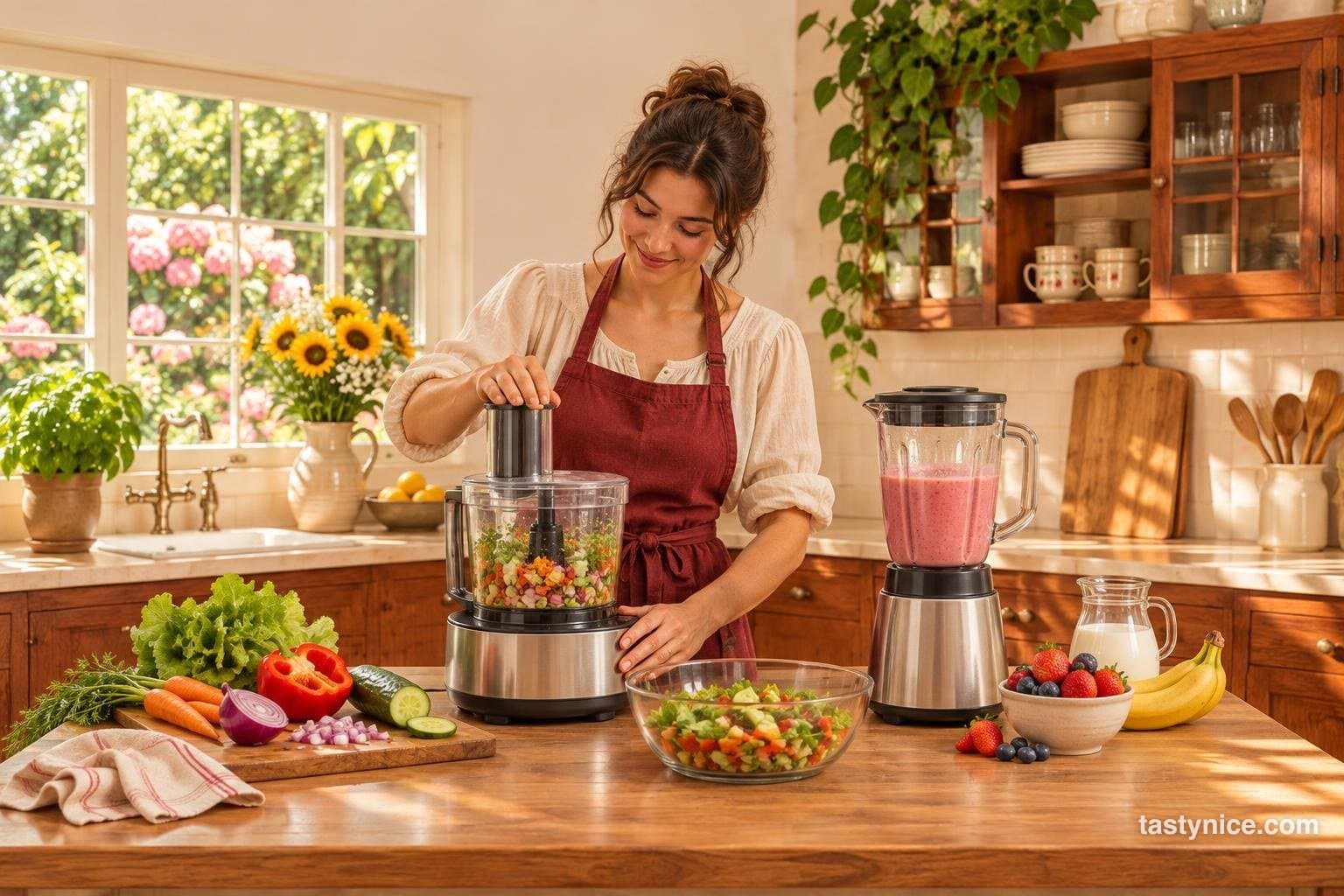
This category covers food processors and blenders for chopping, mixing, puréeing, and blending ingredients at home. It’s for anyone deciding which appliance—or combination—fits the way they cook, from everyday smoothies to batch prep and dough.
Recently Added
New

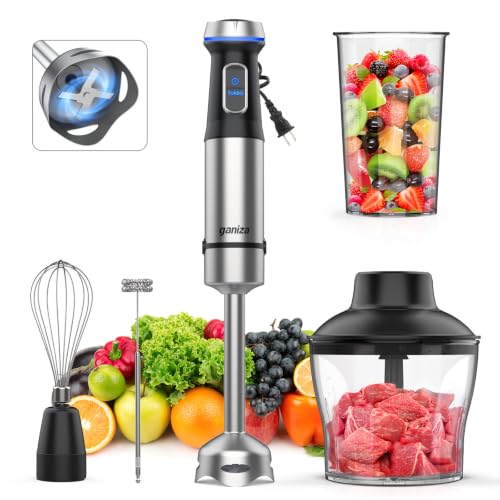


How to choose
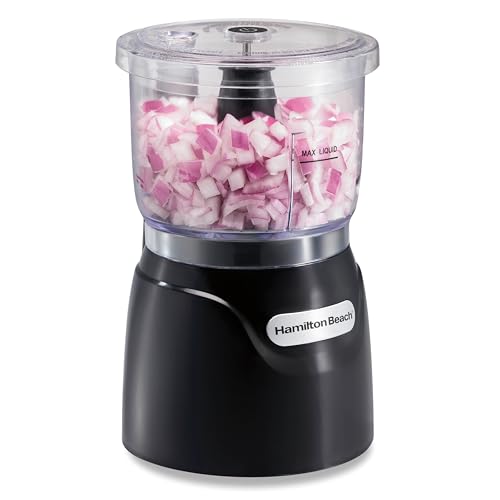
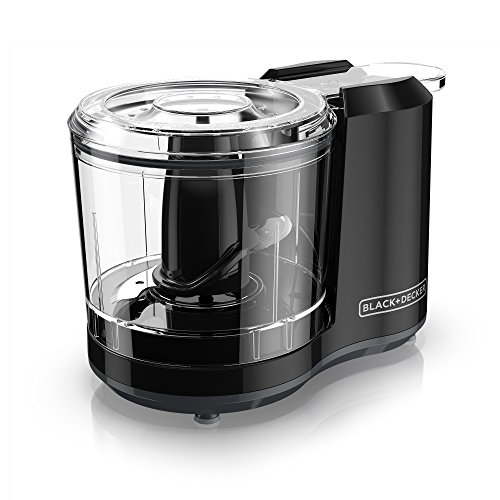
Start with the jobs you do most: blenders are suited to liquids and smooth purées, while food processors handle more chopping, slicing, shredding, and mixing. Consider how much you usually make, since a larger bowl or jar can help with batches but take up more space and be cumbersome for small portions. Then compare controls, attachments, and how easily the parts you’ll use can be cleaned and stored.
Key factors to consider
- •Main tasks: blending liquids or processing solid ingredients
- •Bowl or jar capacity for your usual batch size
- •Ease of adding ingredients and scraping out contents
- •Useful blades, discs, and other attachments
- •Countertop footprint and storage needs
- •Cleaning effort for parts and crevices
Common mistakes to avoid
- ✗Choosing by capacity without considering storage space
- ✗Expecting a blender to slice or shred ingredients evenly
- ✗Buying attachments that won’t get regular use
- ✗Overlooking how difficult the bowl, lid, or blades are to clean
- ✗Making large batches in an appliance better suited to smaller portions
Frequently asked questions
Should I get a food processor or a blender?
Choose a blender if you mainly make smoothies, drinks, soups, or other liquid-heavy mixtures. A food processor is generally more useful for chopping, slicing, shredding, and mixing thicker ingredients.
Can one appliance do both jobs?
Some appliances offer different containers or attachments for different tasks, but versatility depends on the design. Check that the functions you need are included and practical to switch between; a dedicated appliance may work better if you often do both kinds of tasks.
What size should I choose?
Think about the amount you normally prepare, not just the largest batch you might make once in a while. A roomy bowl or jar can be helpful for batch cooking, while a smaller one is easier to store and may suit everyday portions better.
Can a blender handle frozen fruit or ice?
Some blenders can, but suitability depends on the appliance and its instructions. Check the maker’s guidance for frozen ingredients and ice, and add liquid when the recipe calls for it to help ingredients move through the jar.
Are food processor parts difficult to clean?
They can be, especially around blades, feed tubes, and lids. Before choosing, check which parts are removable and how they should be washed, and take care when handling sharp blades.
Do I need extra blades or attachments?
Only if they match tasks you do often, such as slicing vegetables or shredding cheese. A simpler setup may be easier to store and clean if you mainly chop or blend.
Quick buying guide
Choose a blender for drinks, smooth purées, and other liquid-heavy recipes; choose a food processor for chopping, slicing, shredding, and thicker mixtures. If you need both, compare how well each appliance handles your regular tasks rather than relying on a long list of attachments. Match capacity to your typical portions, and check storage and cleanup before deciding.