
Hand Mixers
This category covers hand mixers for everyday mixing, whipping, and light dough work in a home kitchen. If you want a compact alternative to a stand mixer—or a tool for jobs your whisk can’t handle—start by matching the mixer’s attachments and handling to what you make most.
Recently Added
New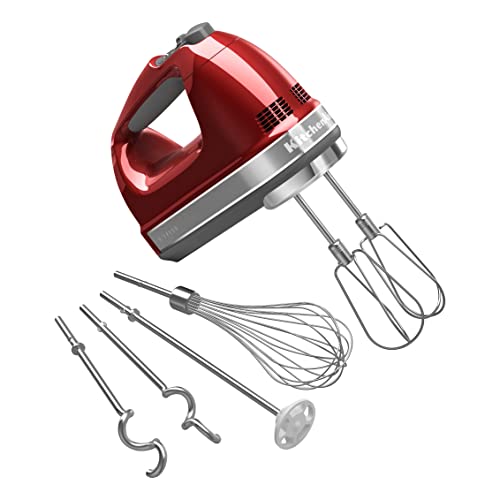



How to choose
Think first about your usual tasks: cake batter and whipped cream call for different attachments than thicker cookie dough. Compare the available speed range and how smoothly it starts, since gradual control helps limit splatter and makes it easier to avoid overmixing. Then consider weight, grip, and cord handling, especially if you often mix for several minutes. A hand mixer is convenient to lift and store, but it still requires you to hold and guide it; for frequent heavy dough mixing, a stand mixer may be a better fit.
Key factors to consider
- •Speed range and control at startup
- •Included beaters, whisk, or dough hooks
- •Comfortable grip and manageable weight
- •Cord position and reach
- •How attachments detach and store
- •Cleaning requirements for attachments
Common mistakes to avoid
- ✗Choosing by motor power alone instead of considering speed control and comfort
- ✗Assuming every mixer includes the attachment needed for a favorite recipe
- ✗Expecting a hand mixer to handle heavy dough as easily as a stand mixer
- ✗Overfilling a bowl or starting at high speed and splattering ingredients
- ✗Ignoring how the cord and attachments will be stored
Frequently asked questions
Can a hand mixer handle cookie dough?
Many can manage softer cookie dough, but thick or stiff dough can strain the mixer and make it tiring to hold. Check whether dough hooks are included and use the mixer within its intended tasks; mix especially heavy dough by hand or with a stand mixer.
What attachments do I need?
Beaters cover most everyday mixing, while a whisk attachment is useful for whipping cream or egg whites. Dough hooks can help with lighter dough, but they don’t make every hand mixer suitable for heavy kneading.
How many speeds should I look for?
Look for a useful spread from a gentle start to faster mixing, rather than focusing only on the number of settings. A slow-start option or well-controlled low speed can help reduce splashes when combining wet and dry ingredients.
How do I avoid splatter when mixing?
Use a deep bowl with enough room for the beaters, keep them submerged before switching on, and start at a low speed. Increase the speed gradually as the ingredients come together.
Is a hand mixer a good substitute for a stand mixer?
It can be a practical substitute for occasional mixing, whipping, and lighter batters, especially when storage space is limited. A stand mixer is more convenient for large batches or frequent thick dough because it holds the mixing attachments for you.
Quick buying guide
Choose a hand mixer around the jobs you do most: everyday batters, whipping, or occasional lighter dough. Prioritize controllable low speeds, comfortable handling, and attachments that suit those tasks. If you often make large batches or stiff dough, consider whether a stand mixer would be less tiring.