
Kitchen Scales & Measuring Cups
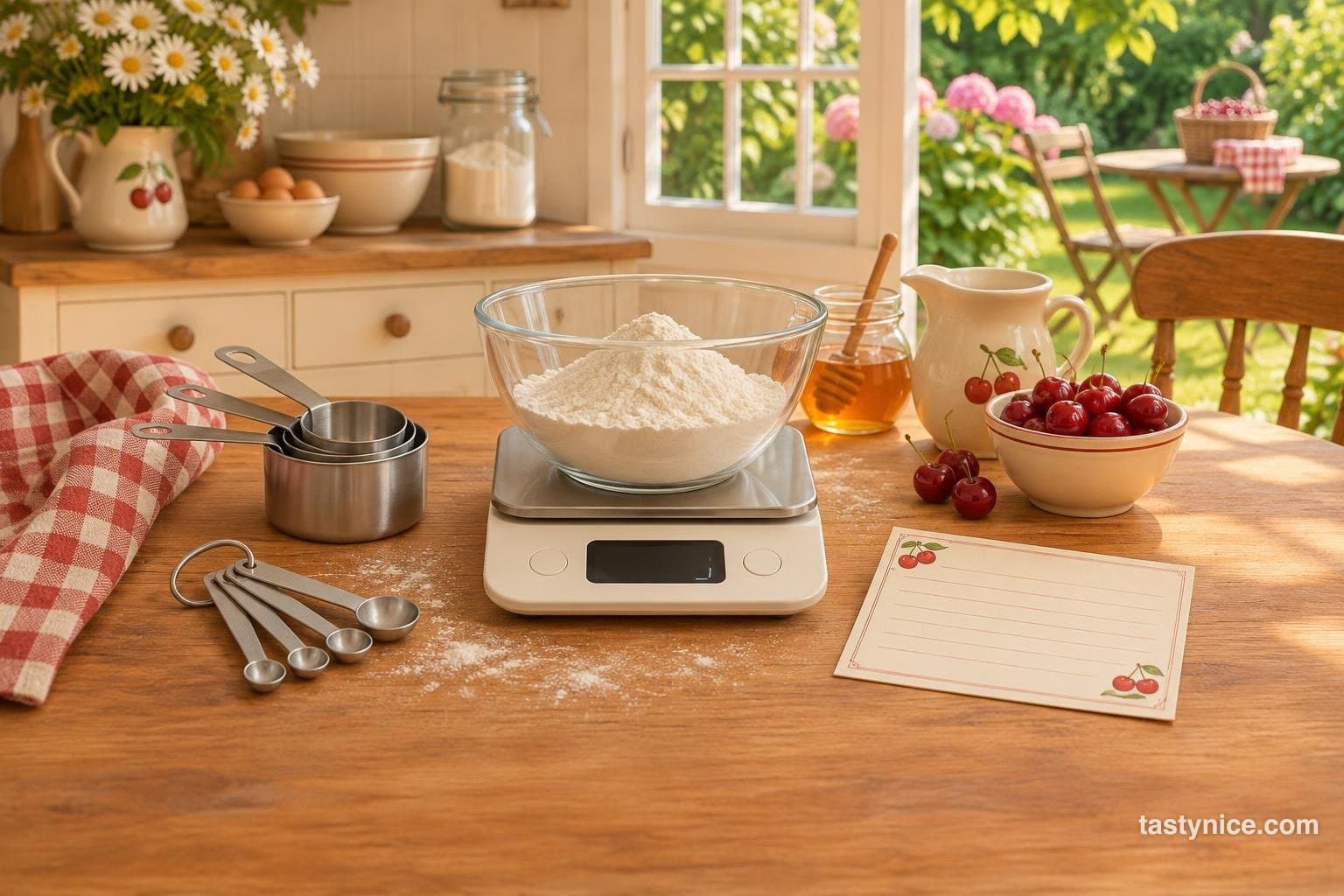
This category covers kitchen scales and measuring cups for weighing ingredients and measuring them by volume. If you bake, follow recipes from different regions, or want consistent portions, the right measuring method can make prep more reliable.
Recently Added
New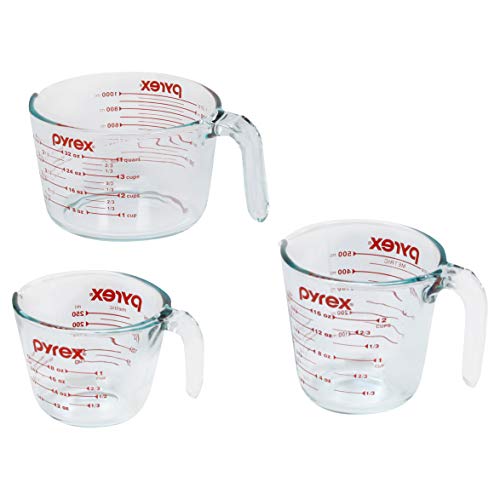



How to choose
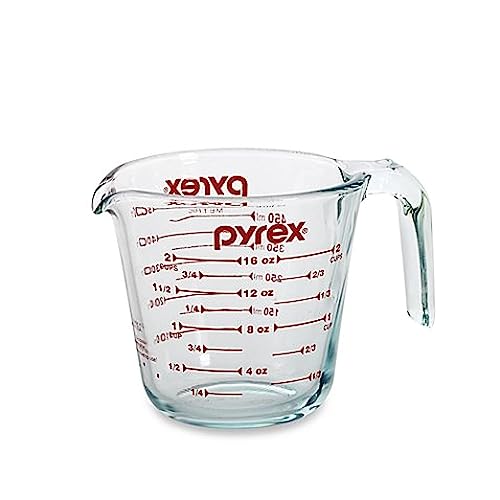
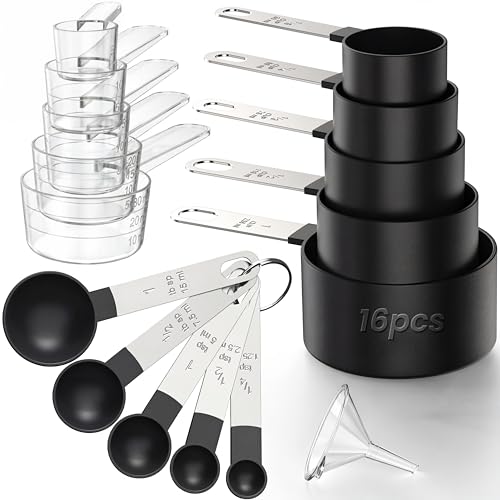
Start with how you cook: a scale is especially useful for baking and portioning, while cups are quick for recipes written by volume. Check that the units match the recipes you use, and consider whether switching between units or taring a bowl would make weighing easier. For cups, look for clear markings and a shape that’s comfortable to fill and level; liquid measuring cups are designed to read volume without spilling. Many kitchens benefit from having both, since a cup of flour and a cup of sugar don’t weigh the same.
Key factors to consider
- •Weight and volume units that match your recipes
- •Easy-to-read display or measurement markings
- •Tare function for weighing ingredients in a bowl
- •Cup sizes included and how clearly they’re marked
- •Stable base and easy-to-clean surfaces
Common mistakes to avoid
- ✗Assuming a cup of every ingredient weighs the same
- ✗Using a liquid measuring cup for dry ingredients without leveling carefully
- ✗Choosing a scale with units that don’t suit your recipes
- ✗Reading a scale before taring the container
- ✗Packing flour into a cup when the recipe calls for it to be spooned and leveled
Frequently asked questions
Should I use a kitchen scale or measuring cups?
A scale measures weight, which helps keep ingredient amounts consistent, especially in baking. Cups measure volume and can be faster for everyday cooking or when a recipe is written that way.
Can I swap a cup measurement for a weight measurement?
Only if you know the weight for that specific ingredient and the recipe’s method. Ingredients pack and settle differently, so there isn’t one universal cup-to-weight conversion.
Do I need separate measuring cups for dry and liquid ingredients?
It helps. Dry measuring cups are meant to be filled and leveled, while a liquid measuring cup has room to pour and markings you can read at eye level.
What does the tare button on a kitchen scale do?
Tare resets the display to zero, letting you weigh an ingredient without including the bowl or container. You can tare again between ingredients to weigh them one after another.
Which units should my scale measure in?
Choose units that match the recipes you use most, such as grams for many baking recipes or ounces for others. Switching between units is useful if you regularly cook from recipes with different conventions.
Quick buying guide
For baking or repeatable portions, a kitchen scale is often the easiest way to measure consistently. Choose one with readable units and a tare function. Measuring cups are handy for volume-based recipes, and dry and liquid cups serve different purposes. If you cook from a mix of recipes, having both gives you more flexibility.