
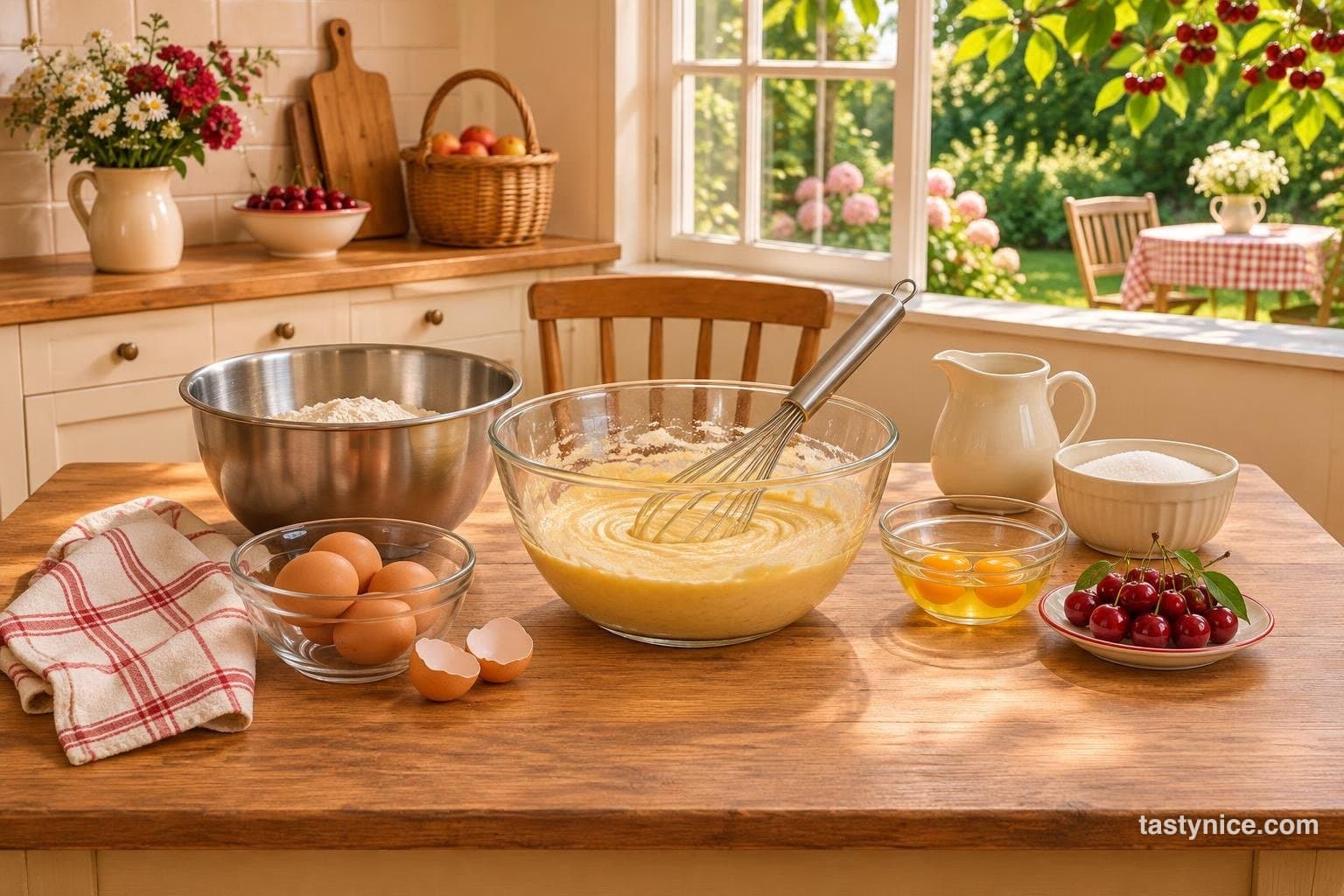
Mixing Bowls
This category covers mixing bowls for everyday prep, baking, whisking, and serving. If you’re choosing a first set or replacing a bowl that’s awkward to use or store, focus on the jobs you do most and the material that suits them.
Recently Added
New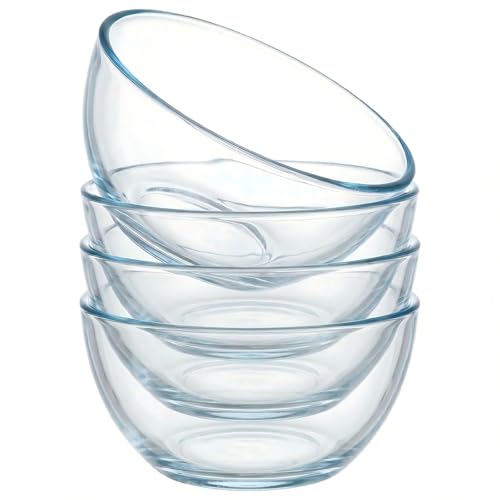





How to choose
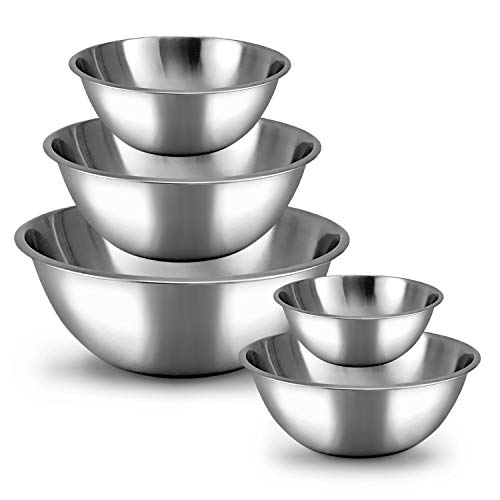
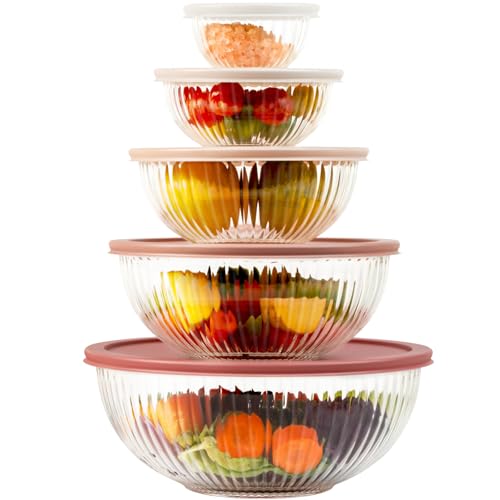
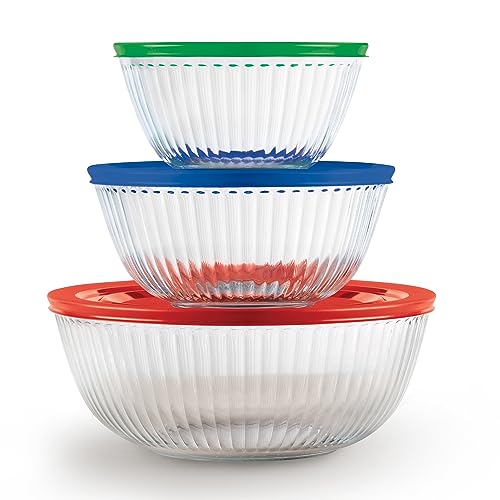
Start with the size and shape you reach for most: a deeper bowl helps contain flour or splashes, while a wider one gives you room to fold and toss. Then weigh material against use—stainless steel is light and durable, glass lets you see contents and can be useful for microwave tasks, and plastic is easy to handle but may retain stains or odors. A nonslip base, comfortable rim, and useful pouring edge can make routine prep easier. If storage is tight, consider whether nesting bowls fit your space and whether their sizes are genuinely useful.
Key factors to consider
- •Capacity and range of bowl sizes
- •Depth and width for mixing or folding
- •Material and care instructions
- •Stability on the counter
- •Handle, rim, and pouring-edge comfort
- •Nesting fit and storage space
Common mistakes to avoid
- ✗Choosing a set with sizes that don’t match the cooking you do
- ✗Picking a bowl that is too shallow for vigorous mixing
- ✗Assuming every bowl is microwave- or dishwasher-safe
- ✗Overlooking whether the bowl slips or feels awkward to pour from
- ✗Buying a set that nests poorly or takes up too much cupboard space
Frequently asked questions
Which material should I choose for a mixing bowl?
Choose based on how you’ll use and care for it. Stainless steel is light and hard-wearing; glass is easy to see through and may suit microwave tasks if labeled safe; plastic is light and convenient but can hold onto stains or odors.
What size mixing bowl do I need?
A medium bowl works for many everyday tasks, while a larger, deeper bowl gives you room for batters, dough, or tossing ingredients without spills. If you often cook different quantities, a few useful sizes are more practical than a set chosen just for its piece count.
Are mixing bowls safe to use in the microwave?
It depends on the bowl’s material and manufacturer’s care instructions. Check the label before heating, and avoid putting a bowl in the microwave if its safety is unclear.
Do I need a nonslip base or a handle?
A nonslip base can help keep a bowl steady while you whisk or stir, especially on a smooth counter. A handle can make it easier to hold or pour, but a comfortable rim and manageable weight may matter more for your routine.
Can I use a mixing bowl with a hand mixer?
Yes, if the bowl is deep and wide enough to contain splashes and let the beaters move freely. A stable bowl is helpful, and a bowl that is too small or shallow can make mixing messy.
Quick buying guide
Choose a bowl size and shape that suit your usual prep, with enough depth to contain mixing and folding. Compare materials by weight, durability, visibility, and care requirements. For a set, check that the sizes are useful and the bowls nest neatly. A stable base and comfortable rim can matter more than extra features.