
Saucepans & Pots
This category covers the everyday pots and saucepans used for simmering sauces, cooking grains, boiling pasta, and making soups or stews. If you’re choosing cookware for a new kitchen or replacing a pan that no longer suits how you cook, start with the dishes you make most and the cooktop you use.
Recently Added
New



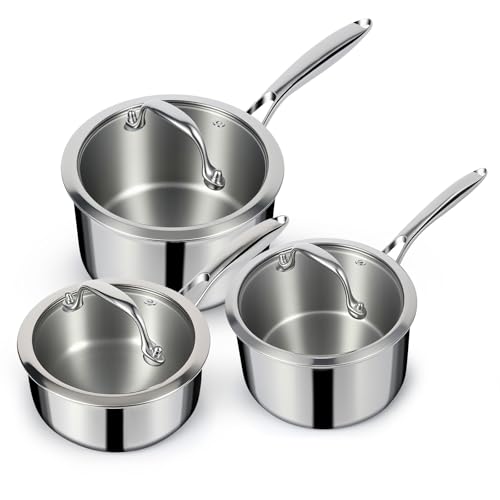


How to choose
Think first about capacity: a small saucepan is handy for sauces and side portions, while a larger pot gives food room for pasta, soup, or batch cooking. Then compare material and construction, which affect how evenly a pan heats, how responsive it feels, and how much it weighs. Check cooktop compatibility, especially if you use induction, and consider whether the handle and lid feel practical for your routine.
Key factors to consider
- •Capacity suited to your usual portions and recipes
- •Material and construction for even, responsive heating
- •Compatibility with your cooktop
- •Handle comfort, balance, and ease of lifting
- •Lid fit and visibility while cooking
- •Ease of cleaning and care requirements
Common mistakes to avoid
- ✗Choosing a pot so large that small portions are difficult to cook evenly
- ✗Assuming every pan works on an induction cooktop
- ✗Overlooking weight and handle comfort when the pot is full
- ✗Buying cookware without checking its cleaning and care needs
Frequently asked questions
What’s the difference between a saucepan and a pot?
Saucepans are generally suited to smaller-volume tasks such as heating sauces, cooking grains, or making side dishes. Pots typically offer more capacity for pasta, soups, and larger batches, though the names and shapes can overlap.
What size saucepan or pot should I choose?
Match capacity to the portions you usually cook, with enough room for food to simmer without crowding or spilling. If you often cook for different numbers of people, having one smaller saucepan and one larger pot can be more useful than relying on a single oversized pan.
Which material is right for a saucepan or pot?
Consider how quickly you want the pan to respond to heat, how evenly it should cook, and how much weight you’re comfortable handling. Also check the care instructions: some materials need more attention to avoid damage or discoloration.
Can I use any saucepan or pot on an induction cooktop?
No. Induction requires cookware with a magnetic base, so check the cookware’s stated compatibility before buying. When in doubt, confirm it against your cooktop’s instructions.
How many pots and saucepans do I need?
A useful starting point is a smaller saucepan for sauces and side dishes, plus a larger pot for pasta, soup, or batch cooking. Add pieces based on the meals you make regularly rather than buying a large set with sizes you may rarely use.
Quick buying guide
Choose capacity around the portions and dishes you make most often. Compare material and construction for heating behavior, then confirm cooktop compatibility. A comfortable handle, manageable weight, and useful lid matter just as much in everyday cooking.