Frying Pans & Skillets
This category covers frying pans and skillets for everyday stovetop cooking, from quick eggs to browning and searing. If you’re choosing a first pan or filling a gap in your cookware, focus on what you cook most and how much care you want to give it.
Recently Added
New




How to choose
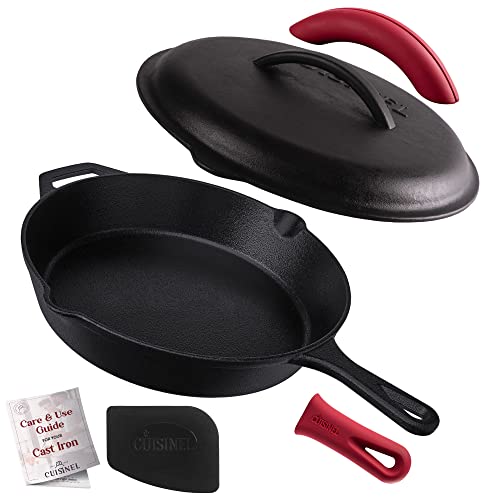
Start with the jobs you need the pan to do: nonstick suits delicate foods and easy cleanup, while stainless steel is useful for browning and making pan sauces. Cast iron and carbon steel retain heat well, but need more attention to seasoning and drying. Choose a size that fits your usual portions and burner without crowding the food. Then check the handle, weight, and care instructions against how you cook and clean.
Key factors to consider
- •Pan diameter matched to your burner and usual portions
- •Cooking surface suited to your most common foods
- •Weight and balance when lifting or tossing food
- •Handle comfort and heat resistance
- •Cleaning, seasoning, and storage requirements
Common mistakes to avoid
- ✗Choosing a pan too small for the portions you usually cook
- ✗Using high heat when the pan or its coating calls for gentler temperatures
- ✗Overcrowding the pan and preventing food from browning
- ✗Ignoring care needs such as seasoning, prompt drying, or utensil compatibility
Frequently asked questions
Should I choose a nonstick or stainless-steel frying pan?
Nonstick is convenient for eggs, fish, and other foods that tend to stick, and it is usually easy to clean. Stainless steel is a better fit for browning and building flavorful pan sauces, but benefits from proper preheating and enough cooking fat.
What size frying pan do I need?
Choose a pan that holds your usual portions in a single layer and sits well on your burner. If food is crowded, it can steam instead of brown; a very large pan on a small burner may heat unevenly.
Are cast iron and carbon steel pans good for everyday cooking?
Both can hold heat well and develop a seasoned cooking surface, making them versatile for stovetop cooking. They need care to protect that surface, including thorough drying, and their weight and handling feel different from pan to pan.
When should I replace a nonstick pan?
Consider replacing it if the coating is peeling or flaking, or if damage makes it difficult to use as intended. For scratches or other wear, check the care guidance for that pan and avoid using it if the cooking surface is deteriorating.
Can a frying pan go in the oven?
It depends on the pan’s handle, coating, lid, and construction. Check the maker’s oven-use and temperature guidance before putting it in the oven.
Quick buying guide
Match the pan to what you cook: nonstick for easy-release foods, stainless steel for browning, and cast iron or carbon steel if you’re comfortable with seasoning and extra care. Pick a size that fits your burner and leaves room for food to brown. Check the handle and care instructions before you buy.