
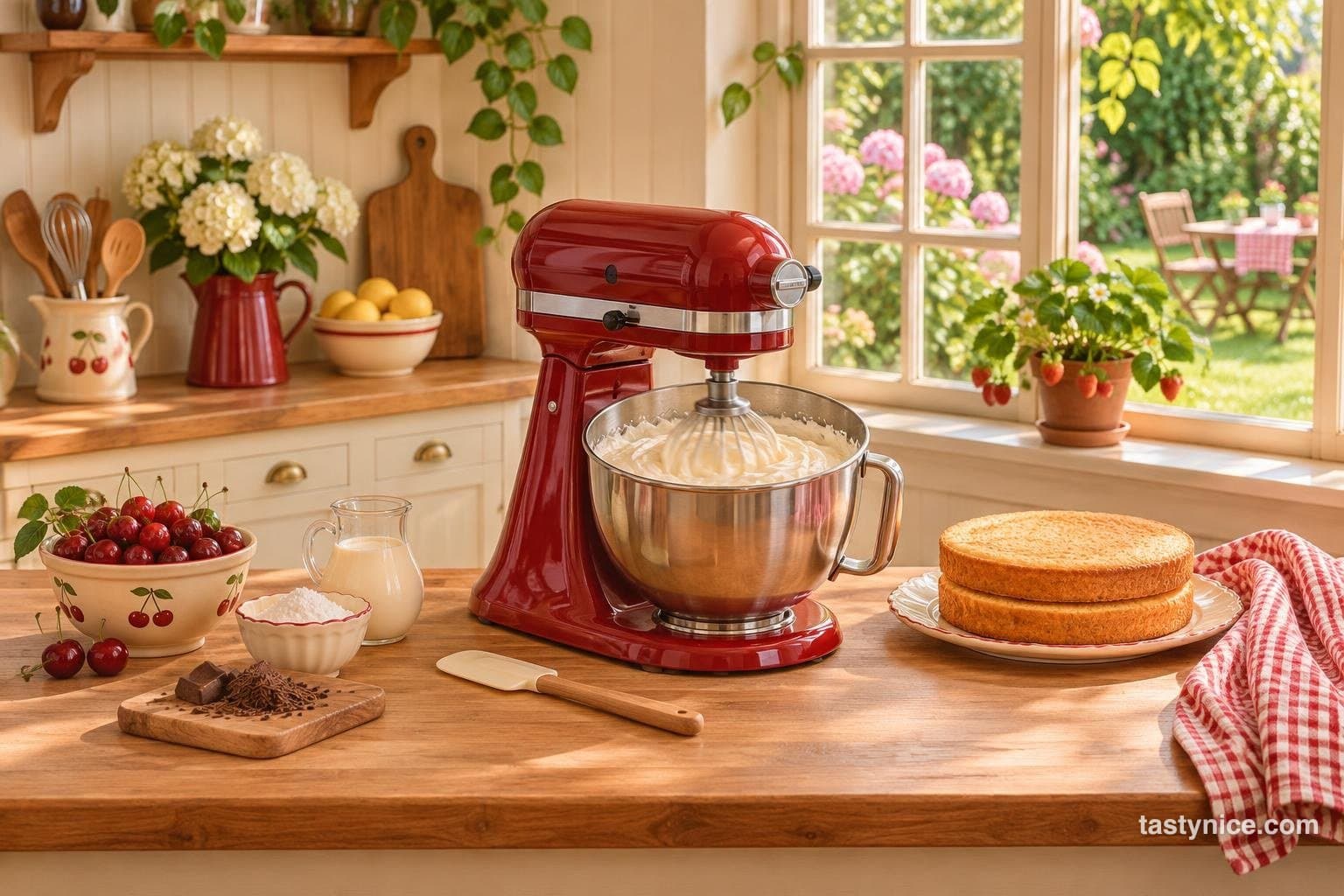
Stand Mixers
This category covers stand mixers for mixing, whipping and kneading at home. If you bake often or want a mixer to handle heavier doughs and larger batches, the main choice is how much capacity and versatility you need.
Recently Added
New
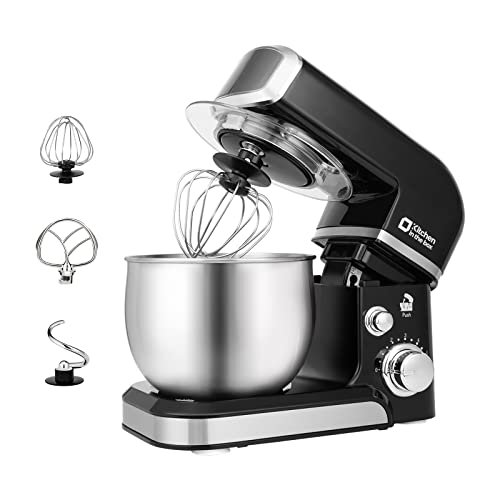
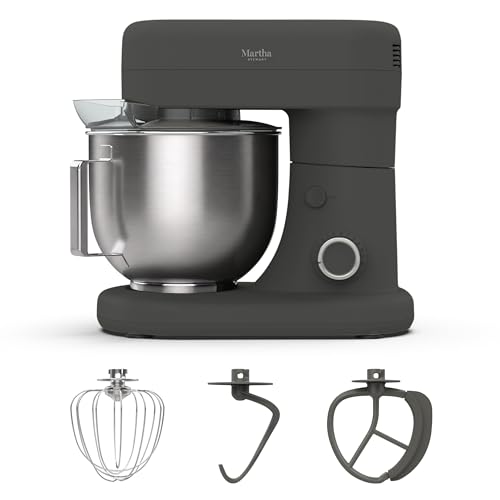


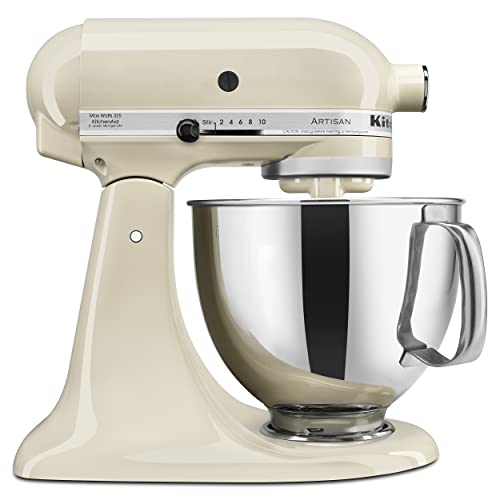
How to choose
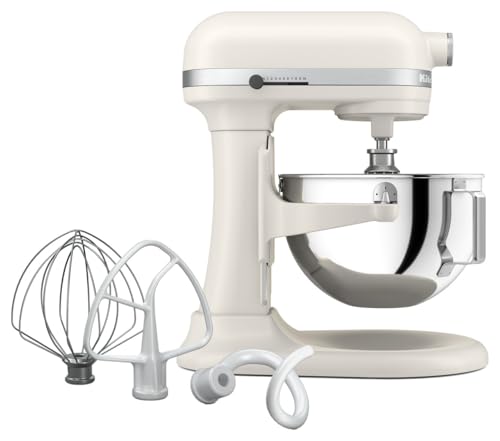
Start with what you make most: occasional cakes and cookies call for different capacity and power than frequent bread dough or large batches. Compare bowl size and the space the mixer will take up, then consider how easily you can add ingredients and remove the bowl. Attachments can expand what a mixer does, but focus on the ones you will actually use and whether they are easy to store and clean.
Key factors to consider
- •Bowl capacity for your usual batch size
- •Performance with thick dough and heavy mixtures
- •Tilt-head or bowl-lift design
- •Included and optional attachments
- •Counter space, weight and storage
- •Ease of cleaning and finding replacement parts
Common mistakes to avoid
- ✗Choosing a bowl that is too small for typical batches
- ✗Assuming every mixer handles bread dough equally well
- ✗Paying for attachments you are unlikely to use
- ✗Overlooking the mixer’s height, weight and storage needs
- ✗Filling the bowl beyond its comfortable working capacity
Frequently asked questions
Do I need a stand mixer, or is a hand mixer enough?
A hand mixer is often enough for occasional cakes, whipped cream and lighter mixtures. A stand mixer is more convenient for longer mixing sessions, larger batches and dough that takes sustained effort.
What bowl size should I look for?
Choose a bowl that comfortably fits the batches you make most often, with room for ingredients to mix without spilling. If you regularly bake in large batches, capacity matters more than it does for occasional small recipes.
Can a stand mixer knead bread dough?
Many can, but thick dough puts more strain on a mixer than batters or whipped mixtures. Check the manufacturer's guidance for dough use, and avoid running the mixer longer or with heavier loads than recommended.
What is the difference between tilt-head and bowl-lift mixers?
With a tilt-head design, the mixer head lifts to give access to the bowl; with a bowl-lift design, a lever raises the bowl toward the mixing attachment. Think about how you add ingredients, remove the bowl and fit the mixer beneath your cabinets.
Are extra attachments worth it?
They can be useful if you want the mixer to do jobs you already do regularly, such as rolling pasta or grinding ingredients. Check compatibility and storage needs, and don't let a long attachment list outweigh how well the mixer suits your everyday baking.
Quick buying guide
Choose a stand mixer around the batches and recipes you make most often. Bowl capacity, performance with heavier mixtures and the head or bowl-lift design are the main differences to weigh. Add attachments only if you have a clear use for them, and make sure the mixer fits your counter and storage space.