
Graters & Slicers
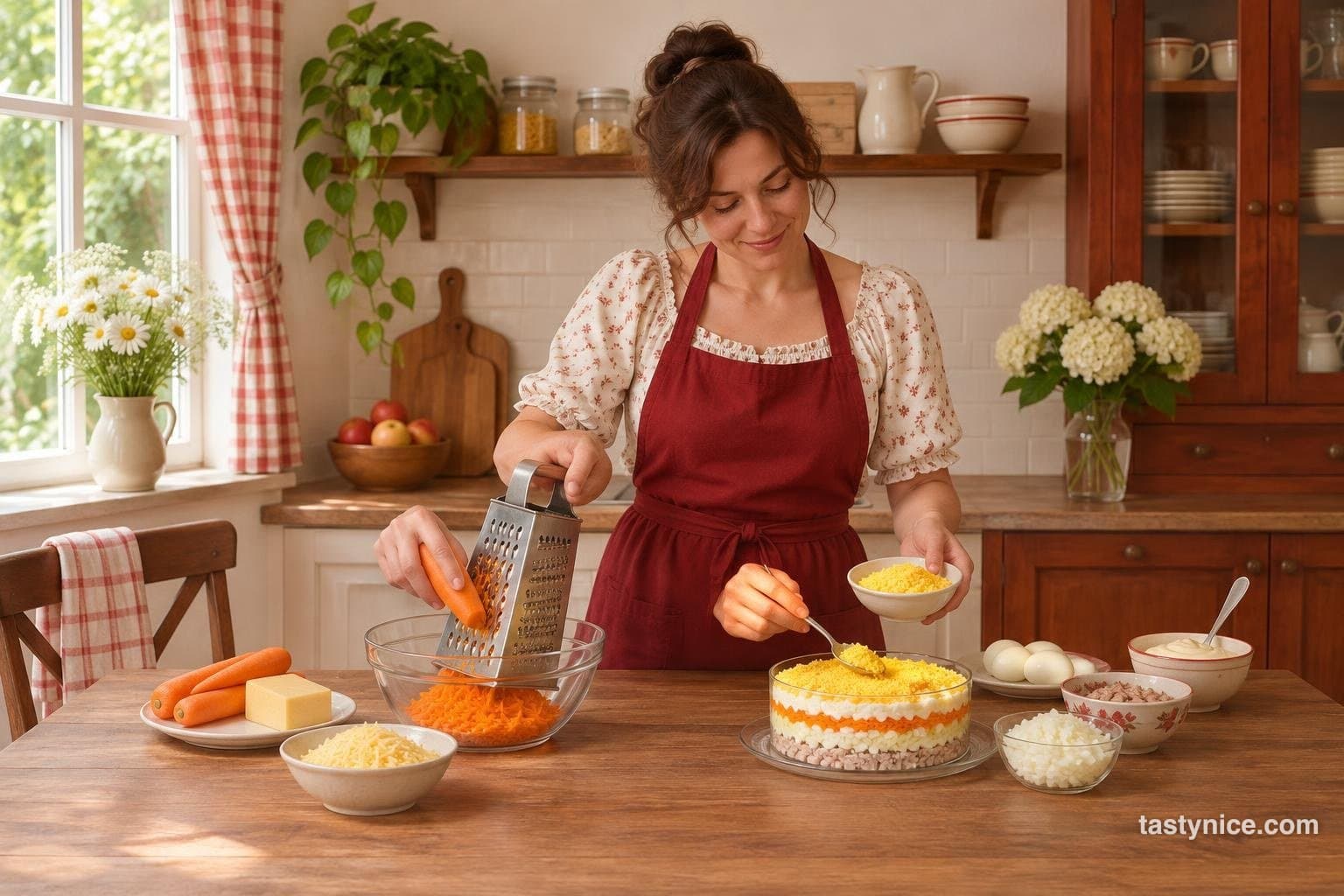
This category covers tools for grating, shredding, zesting, and slicing ingredients by hand. It’s for cooks choosing between a versatile all-purpose grater and a tool designed for a particular task, such as fine citrus zest or evenly sliced vegetables.
Recently Added
New



How to choose
Start with what you prepare most: cheese and vegetables call for different cutting surfaces than citrus zest or thin, uniform slices. Then consider control and safety—a handheld grater is simple to use and store, while a slicer with adjustable settings can offer more consistency but needs careful handling. Finally, check how easily the tool can be cleaned and stored, especially if it has multiple blades or narrow cutting surfaces.
Key factors to consider
- •Foods and cuts you prepare most often
- •Grating surface or blade style
- •Adjustable slice thickness
- •Grip, stability, and hand protection
- •Ease of cleaning around blades
- •Storage space and blade protection
Common mistakes to avoid
- ✗Choosing a multi-sided grater without a use for most of its surfaces
- ✗Prioritizing thin slices without considering safe hand placement
- ✗Overlooking how food can catch in small holes or blade crevices
- ✗Buying a slicer that is awkward to store or keep its blades protected
Frequently asked questions
Should I get a box grater or a handheld grater?
A box grater offers several cutting surfaces in one tool and can be useful for cheese and vegetables. A handheld grater is often easier to manage for a focused task, such as zesting or fine grating.
When is a mandoline slicer useful?
A mandoline is useful when you want repeated slices of a consistent thickness, such as for vegetables in a gratin or salad. Choose one you can handle securely, and use its hand guard or another suitable hand-protection method.
What should I use for citrus zest?
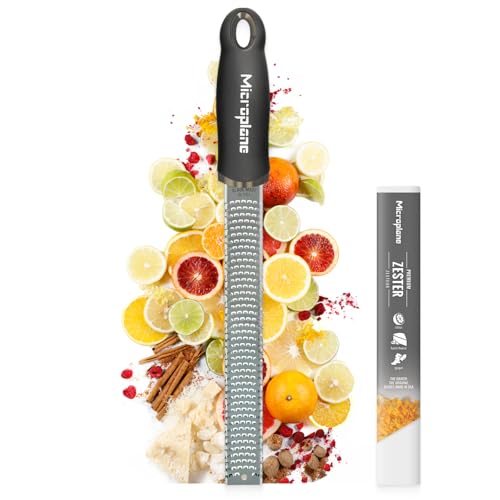
A fine, narrow grating surface is well suited to zesting because it removes the colored peel while leaving more of the bitter white pith behind. Work gently and rotate the fruit as you go.
How do I make grating and slicing tools easier to clean?
Rinse or brush off food soon after use, before it dries in the cutting surface. Follow the tool’s care instructions, and take extra care when cleaning around sharp blades.
Do I need a separate tool for cheese and vegetables?
Not necessarily: an all-purpose grater can handle many everyday jobs. A separate tool may be worthwhile if you regularly need a particular texture or consistent slices that your current grater does not provide.
Quick buying guide
Choose a grater for the textures and ingredients you use most, and a slicer when you need even cuts. A box grater gives you several options; a focused handheld grater takes up less space for a specific task. For slicers, prioritize steady control, safe hand placement, and easy cleaning. Consider storage and blade protection before choosing a tool with multiple parts.