
Rolling Pins & Pastry Mats
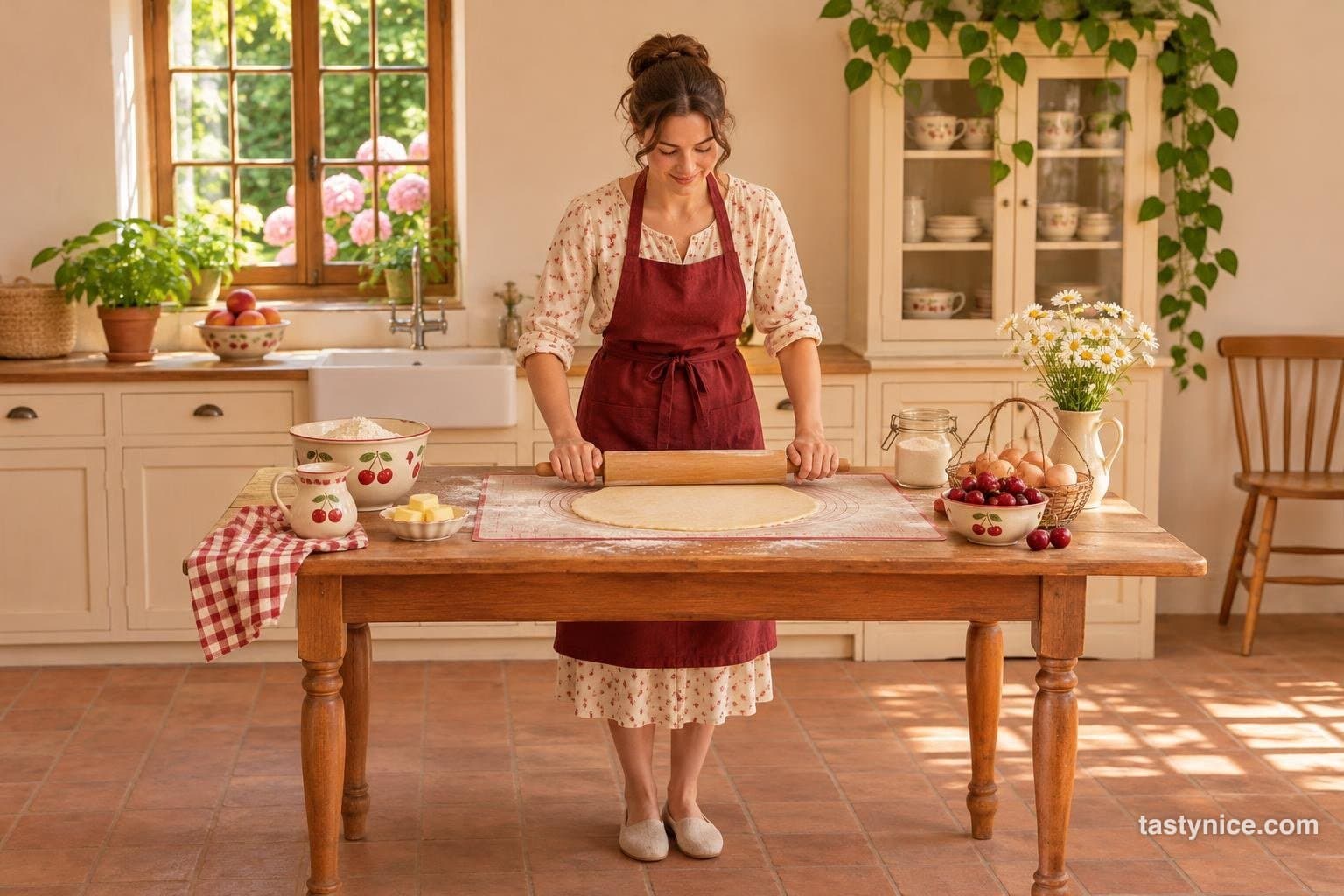
This category covers rolling pins for flattening dough and pastry mats that give you a defined surface to work on. It’s for anyone who wants more control over dough thickness, less sticking, or easier cleanup when making pastry, cookies, and other baked goods.
Recently Added
New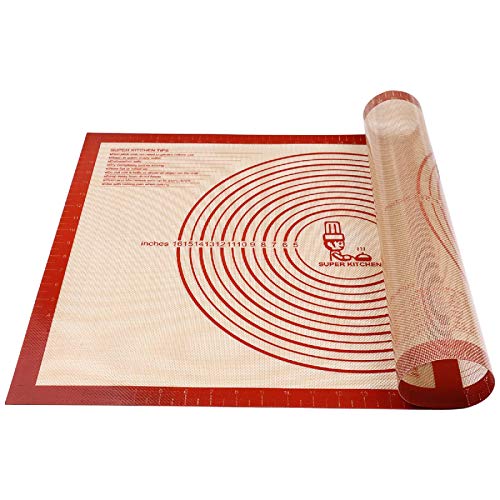




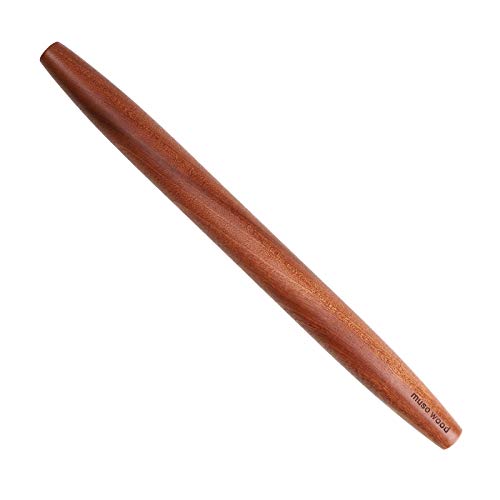
How to choose
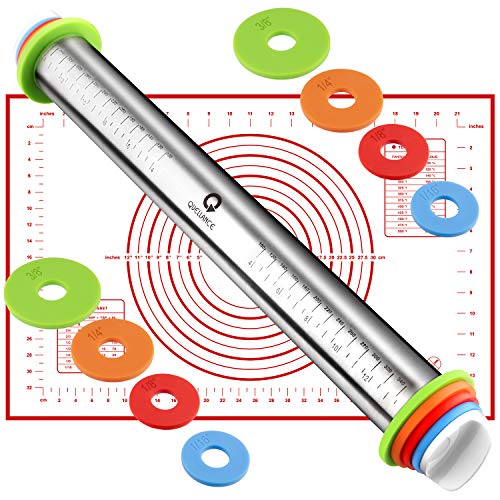
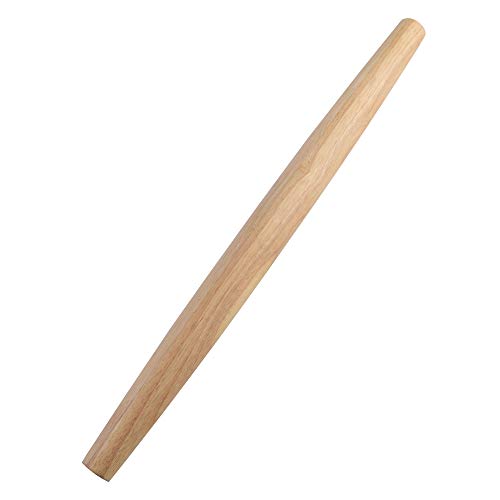
Start with the dough you make most and how you like to roll: a straight pin gives your hands direct control, while a handled pin may feel more familiar and comfortable. Consider the pin’s material, weight, and grip, since these affect how easily it moves and how much pressure you need. For a mat, check that it fits your counter and has a surface that stays put; measurement markings can help you roll dough to a consistent size. Choose tools that are easy to clean and store in your kitchen.
Key factors to consider
- •Rolling-pin style and hand feel
- •Pin weight and balance
- •Surface texture and dough release
- •Mat size and nonslip grip
- •Measurement markings and readability
- •Cleaning and storage requirements
Common mistakes to avoid
- ✗Choosing a rolling pin by appearance without considering grip or control
- ✗Buying a mat that is too small for the dough or counter space
- ✗Assuming a pastry mat is suitable for oven use without checking its care instructions
- ✗Using too much flour to prevent sticking instead of adjusting the dough or work surface
- ✗Rolling unevenly by pressing harder at the center or edges
Frequently asked questions
Should I choose a straight or handled rolling pin?
A straight pin offers direct control and makes it easy to feel how evenly you’re rolling. A handled pin may feel more familiar and comfortable if you prefer a grip that keeps your hands off the dough. Choose the style that feels easiest to guide with steady pressure.
How can I stop dough from sticking to the pin or mat?
Chill the dough if the recipe calls for it, and use a light dusting of flour on the dough and work surface. Too much flour can change the dough’s texture, so add it sparingly. A clean, dry mat can also help.
Do measurement markings on a pastry mat matter?
They’re useful when you need dough rolled to a particular size, such as for a pie plate or tart pan. If you mostly roll dough by eye, markings may be less important than a mat that stays in place and is large enough for your work.
Can I put a pastry mat in the oven?
Not necessarily. Some mats are intended for rolling and shaping only, so check the manufacturer’s care instructions before using one for baking or exposing it to heat.
What should I check before buying a pastry mat?
Measure your available counter space and consider the largest dough you usually roll. Look for a mat that stays put, is easy to clean, and has markings you can read if you want size guidance. Check how it should be stored so it fits your kitchen.
Quick buying guide
Choose a rolling pin that feels comfortable and gives you steady control, then match its style to the dough you make most. A pastry mat can make rolling and cleanup easier if it fits your counter and stays in place. Measurement markings help when recipes call for a specific dough size, but grip and usable space matter more if you mostly roll by eye. Check care instructions before using a mat with heat.